Pumping to Induce Labor: What Moms Should Know
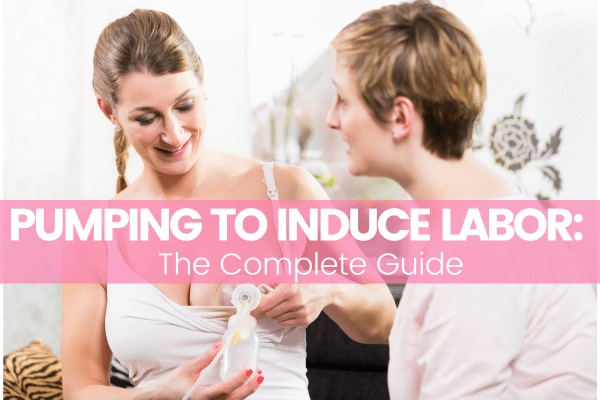
You’re getting closer to the end of pregnancy… and while you may be ready to meet your little one, you’re wondering what might get labor going. One method that moms often hear about is pumping, or nipple stimulation, to induce labor. It’s natural, non-medicated, and sometimes effective. But it’s also something you should approach with care and guidance from your provider.
How Pumping Can Trigger Labor
Nipple stimulation encourages the body to release oxytocin, the same hormone responsible for contractions during labor. That’s why breast pumps (or even hand stimulation) are sometimes used to gently nudge labor along.
When Is It Safe to Try?
- Typically discussed at or after 39 weeks, when baby is full-term.
- Should only be tried if your doctor or midwife approves.
- Not recommended if you have complications like placenta previa, high-risk pregnancy, or signs of fetal distress.
Pro tip: ⚠️ Important: Pumping too early can trigger contractions that may not be safe for baby. Always get your caregiver’s/provider’s go-ahead.
How to Use Pumping for Labor Induction
- Gentle sessions: Use a breast pump on one breast for 10–15 minutes, then switch. Rest between sessions.
- Monitor contractions: If contractions become too strong or too close together, stop immediately.
- Stay hydrated and rested: Your body works best when supported.
Pro tip: Did you know? Some hospitals even use nipple stimulation during labor to strengthen contractions naturally, reducing the need for Pitocin.
Foods & Nutrition That Support Labor Readiness
While no food is guaranteed to bring on labor, some nutrient-rich options help keep your body strong and ready:
- Fiber-rich foods: beans, lentils, leafy greens, pears, apples, oats.
- Hydrating foods: watermelon, cucumber, broths, soups.
- Healthy fats: avocado, chia seeds, flax, walnuts, olive oil.
- Protein: quinoa, tofu, beans, plus eggs, poultry, or fish if included.
These don’t “induce” labor, but they fuel your body for the big day and support recovery afterward.
Alternatives to Pumping for Induction
- Walking or gentle movement.
- Acupressure or massage.
- Relaxation practices to encourage oxytocin naturally.
Final Thoughts for Moms
Pumping to induce labor can be a safe, natural option for some moms, but it’s not a guarantee. Always talk to your provider first, listen to your body, and combine it with rest, hydration, and nourishing foods. Remember: your baby will come when both of you are ready, and your body is built for this moment.