Pregnancy Gingivitis: Causes, Symptoms & Safe Treatments
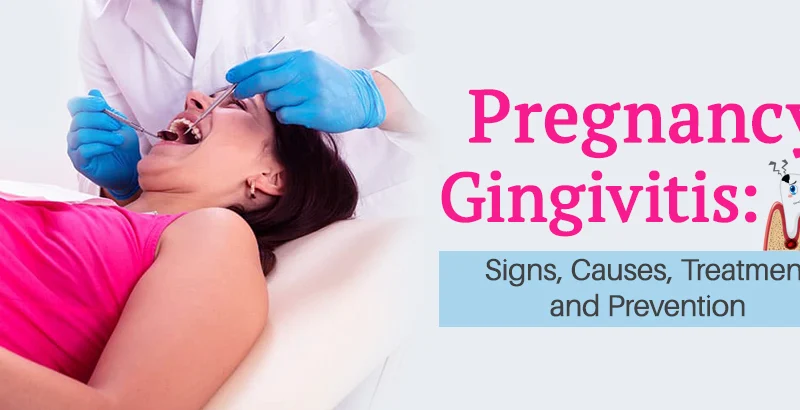
Do your gums bleed? Is it worse during pregnancy? You may be surprised when your gums start bleeding or feel sore during pregnancy. It’s a very common condition known as pregnancy gingivitis. And it’s caused by hormonal changes that make your gums more sensitive to plaque. The good news? With the right care, you can keep your smile healthy and protect both you and your baby.
The mouth is the gateway to many infections. Good oral hygiene can be instrumental in tip-top health throughout your life.
What Is Pregnancy Gingivitis?
Pregnancy gingivitis is gum inflammation that develops during pregnancy. Higher levels of estrogen and progesterone make gums more reactive to plaque bacteria, leading to redness, swelling, and bleeding.
- It affects up to 60–75% of pregnant women.
- Usually appears in the second trimester, but can happen earlier.
- If left untreated, it may progress to periodontitis (a more serious gum disease).
Causes of Pregnancy Gingivitis
Pregnancy stacks the cards against you when it comes to oral health. But you can beat this by really solid attention to excellent oral hygiene. You may have to spend more time and be more detailed in your cleaning, but it’s worth it for your long-term oral health. And it’s going to mean your baby is more healthy in the womb, too!
- Hormonal changes: There is no escaping the fact that the higher levels of estrogen and progesterone during pregnancy make your gum tissue softer and spongier.
- Plaque attraction: Healthy gums are usually firm, pale pink (or darker depending on natural pigmentation), tightly bound to the teeth, with sharp, knife-edge borders. This design helps deflect food and plaque.
- During pregnancy: Softer, spongier gums lose that protective firmness and create more “nooks” where plaque and food can stick. Instead of that nice pinky color and firm texture you can find the gums look softer, look darker and spongier. This encourages plaque buildup and inflammation.
- Mechanical cleaning matters more: Because of this, daily brushing and flossing are critical. This is not just to clear food, but to prevent plaque from multiplying on these new spongy surfaces.
Pro tip: Think of healthy gums as smooth walls that keep food moving along… and pregnancy gums as textured walls where food and plaque are more likely to cling. Extra cleaning helps restore balance.
In a Nutshell
- Hormonal changes increase gum sensitivity.
- Plaque buildup irritates gums more than usual.
- Morning sickness and acid exposure can worsen gum inflammation.
- Cravings for sugary foods may feed plaque bacteria.
Symptoms to Watch For
- Red, swollen, or tender gums.
- Bleeding when brushing or flossing.
- Bad breath.
- Gum recession or sensitivity.
Pro tip: ⚠️ If symptoms become severe or you notice pus, loose teeth, or persistent pain, call your dentist immediately.
Safe Treatments During Pregnancy
- Brush twice daily with a soft-bristled brush. It’s not the amount of time your brush, it’s the attention to getting into the gum margins at every tooth, on every surface.
- Floss gently once a day to remove plaque. Think of sweeping the piece of floss down each bulbous side of the tooth. Don’t just go up and down between the teeth. Think of the floss as you would a towel along your back, curving to you to dry each part.
- Rinse with warm salt water to soothe gums.
- Dental visits: Regular cleanings are safe and highly recommended during pregnancy.
- Professional advice: Dentists may suggest a pregnancy-safe antimicrobial rinse if needed.
Nutrition Tips for Healthy Gums
- Leafy greens (spinach, kale): rich in vitamin C and folate for gum healing.
- Citrus & berries: boost vitamin C to fight inflammation.
- Nuts & seeds: provide vitamin E and zinc for oral tissue repair.
- Calcium-rich foods: almonds, broccoli, fortified plant milks (or dairy if included).
- Lean proteins: beans, lentils, eggs, or poultry to support tissue strength.
Pro tip: Rinse your mouth with water after morning sickness or sugary snacks to protect gums and teeth.
Prevention Tips
- Keep up with prenatal dental checkups.
- Limit sugary snacks and drinks.
- Stay hydrated to maintain saliva flow.
- Don’t skip flossing — gentle daily care makes a big difference.
Special Note: Gingivitis & Heart Health
If you’ve ever had rheumatic fever or have been told you have a heart valve problem, gum care in pregnancy is even more important. Here’s why:
- Gingivitis can cause gums to bleed.
- When that happens, bacteria from plaque can enter the bloodstream.
- For moms with heart valve damage (often a complication of rheumatic fever), this raises the risk of infective endocarditis — a serious infection of the heart lining or valves.
Pro tip: If you have a history of rheumatic fever or valve disease, let both your dentist and OB provider know. In some cases, antibiotics are recommended before certain dental procedures.
Final Thoughts for Moms
Pregnancy gingivitis is common, but it doesn’t have to derail your smile. With consistent dental care, healthy foods, and regular checkups, you can protect your gums and support your overall health throughout pregnancy.