Stretch Marks in Pregnancy: Causes, Care & Nutrition Tips
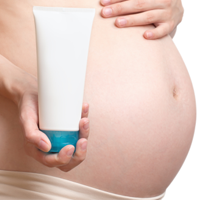
As a new mom-to-be, you may have noticed those pink, red, or purple streaks showing up on your belly, hips, or breasts. Stretch marks in pregnancy are so common that nearly 8 in 10 moms get them. They happen when your skin stretches quickly as your baby grows, and tiny fibers under the skin tear slightly.
They’re completely normal, and while creams and lotions can help keep skin soft, your diet also plays a big role in skin strength and repair.
Why Do Stretch Marks Happen in Pregnancy?
Stretch marks appear when your skin stretches rapidly during pregnancy. Hormonal changes also play a role, making the skin’s elastic fibers more prone to small tears.
Foods That Support Healthy Skin
While no food can completely prevent stretch marks, nutrition helps your skin stay strong, elastic, and better able to repair itself.
- Vitamin C for collagen: Citrus fruits, strawberries, kiwi, bell peppers, broccoli, and fortified juices.
- Vitamin E for repair: Sunflower seeds, almonds, spinach, avocados, plus small amounts of eggs if included.
- Zinc for healing: Lentils, beans, pumpkin seeds, whole grains, and also lean meat or poultry if part of your diet.
- Protein for tissue repair: Tofu, quinoa, nuts, seeds, beans, as well as eggs, fish, or chicken.
- Healthy fats for moisture: Flax, chia, walnuts, avocado, olive oil, and fatty fish like salmon if included.
Mom tip: Staying hydrated matters just as much. Aim for 8–10 glasses of water daily, and add soups or hydrating fruits like watermelon and cucumber (after washing well).
Safe Skin Care for Stretch Marks
- Moisturize daily with cocoa butter, shea butter, or natural oils.
• Avoid retinoid creams during pregnancy—they’re not safe.
• Gentle massage improves circulation and may help stretch marks fade faster.
Do Stretch Marks Go Away?
Stretch marks usually fade after pregnancy, turning silvery or skin-colored over time. While they rarely disappear completely, most moms find them much less noticeable within the first year. Many women embrace them as a reminder of their body’s strength in growing a little one.
When to Call Your Doctor
Stretch marks are harmless, but call your provider if you notice:
– Sudden swelling in hands, feet, or face
– Severe itching, especially palms or soles
– Pain or unusual rashes
These may signal pregnancy complications like preeclampsia or cholestasis.
FAQs About Pregnancy Stretch Marks
Q: Can diet really reduce stretch marks?
A: While no diet can prevent them completely, foods rich in vitamin C, vitamin E, zinc, protein, and healthy fats keep skin stronger and more elastic.
Q: Are oils and creams safe?
A: Yes—natural oils like almond or coconut are safe. Avoid retinoids and products not labeled pregnancy-safe.
Q: Do stretch marks fade after birth?
A: Yes, they often lighten within the first year.